 admin
admin


Dining Chair Slip Cover Pattern
The most hassle-free and efficient dining chair slip cover pattern is actually a set of standardized Parsons chair templates. Such a template is preferably designed specifically for high-stretch fabrics or commercial-grade linen. In order to ensure that the final finished product is suitable for use and to reduce scrap, a set of professional proofs must leave 1/2 inch seams, and the samples must be equipped with T-shaped shears so that they can be aligned accurately during mass production. In terms of design, I advocate multi-piece splicing ——the backrest, seat surface and skirt must be separated.
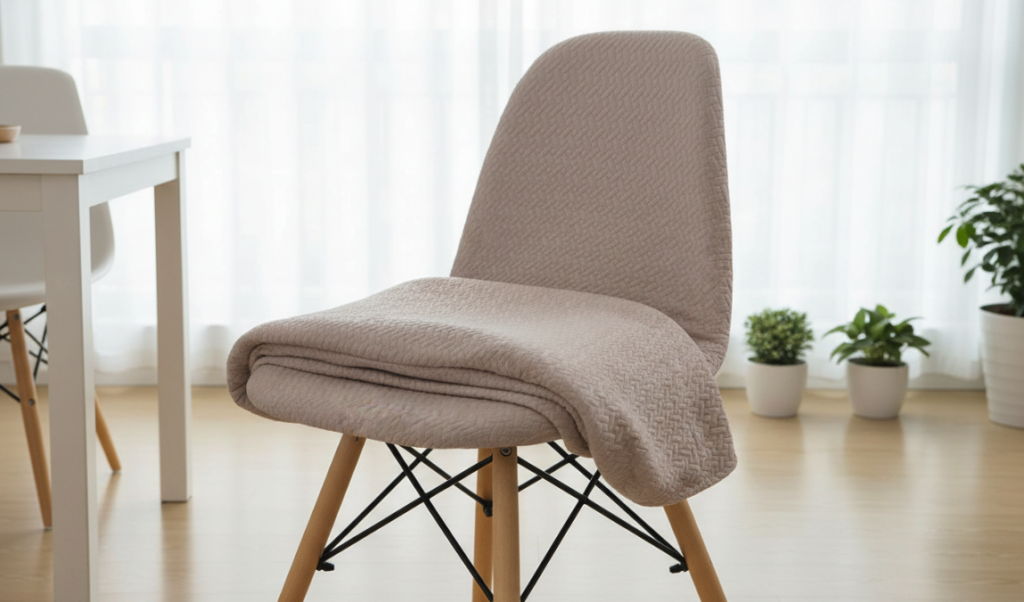
In Pursuit Of Efficiency
The Parsons chair silhouette remains the most mainstream in current residential and commercial dining spaces. Sellers want to enter the market, and creating a pattern from this standard shape is the safest strategy. Especially when you work with high stretch fabrics from suppliers like Boqian Textile, the “fault tolerance” of the template becomes very high. This elasticity allows the template to be wrapped tightly like “skin” when faced with slight dimensional deviations of different chair frames, without requiring you to go through the remastering process for each chair. This is the best value for money option for those who want to do large-scale business.
Core Technical Specifications
At the pattern making stage, that little difference in accuracy directly determines whether your product is “DIY handcrafted” or “industrial-grade boutique”.
1/2 inch seam seam: This size is the benchmark in the commercial softwear industry. It leaves enough “grip” room for an industrial overlock machine to create those very strong, non-washable seams. In hotels and restaurants, chairs are frequently removed and washed, and if the seams are not strong, they will really be complained to death.
Integrated shears: In high-volume production environments, speed and accuracy are equally important. A professional chair cover proofing set must add T-shaped or straight cutouts at key alignment points. With these marks, sewists can align their eyes when sewing backrests, seats and skirts, which can directly eliminate the scrap rate caused by crooked seams and save a lot of after-sales costs.
Modular Structure
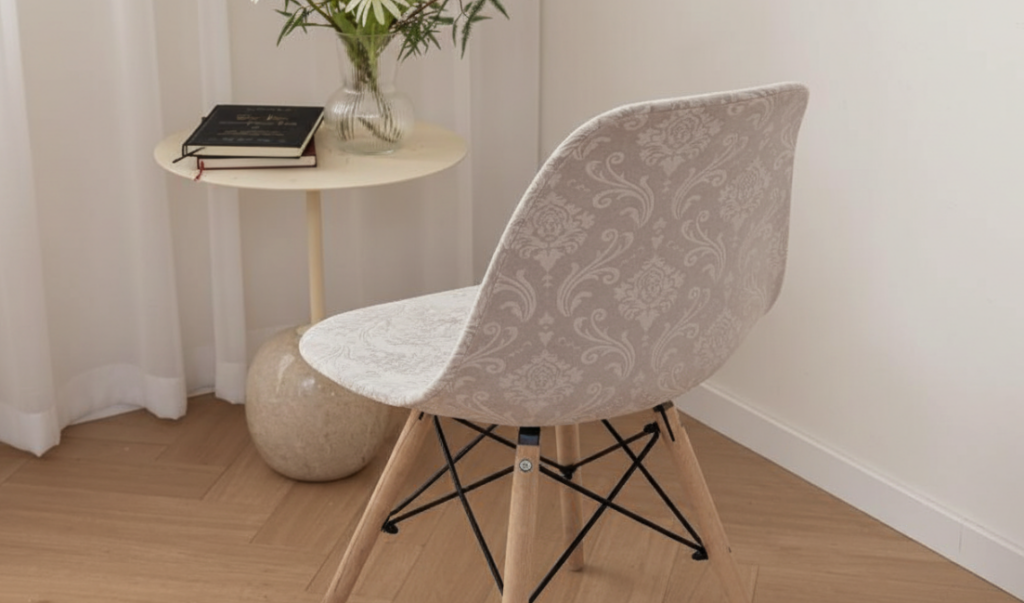
The truly important model will not be a piece of cloth covering the whole, but a modular multi-piece design. This structure can ensure that the chair cover remains tight and does not run around during use.
Backrest and Seat: The two panels are disassembled to allow the fabric to follow the perfect curve of the chair frame, creating a visual effect that is almost identical to that of a permanent bag.
Hemline Options: The hemline is key to determining style. I usually recommend preparing two sets of plans in the template: one is I-pleats, which are suitable for traditional occasions like weddings and banquets that require pomp and circumstance; the other is minimalist pleats, which are more suitable for the modern appetite of high-end bistros.
Optimization At The Business Level
The ultimate goal of professional chair cover sampling is actually business efficiency. With this set “stretch proofing blueprints”, sellers can achieve what is known as “single SKU” management. The meaning is that if you produce this standard set, it will be compatible with most chairs on the market.
Author: Alex Thompson
My expertise lies in helping e-commerce brands and commercial contractors bridge the gap between bespoke design and industrial scalability. I focus on optimizing production through standardized technical patterns and high-performance fabrics, ensuring every product—from a single custom piece to a thousand-unit hotel order—meets the highest global standards for durability and fit.